From Summit to City: Uncovering the Hidden Soul of Wells, Nevada
How a Shrpa creator visit turned a Nevada crossroads town into unforgettable memories and reminded us why the most overlooked places are often the most worth finding.
Jim Bradbury
This trip came together through an engagement with Shrpa as part of the Summit to City campaign developed for the City of Wells and Nevada’s Cowboy Country. The mission was straightforward: get on the ground, experience what Wells has to offer, and build authentic itineraries that show travelers what they’ve been missing. What we didn’t expect was just how much there was to find.
Why Wells, and Why Now?
One of the things Shrpa does well is force the question: what makes this place worth a traveler’s time? It’s a question that small destinations often struggle to answer, not because the answer isn’t there, but because it’s never been packaged in a way that reaches the right people.
Wells has a clear answer. It sits at the gateway to some of the least-visited and most spectacular public land in the American West. The East Humboldt Wilderness, the Spruce Mountain Mining District with its 135-year-old ATV trails through five ghost towns, the Ruby Marsh 79 miles south with its world-class birding and bass fishing, the open-range ranch country of the Cowboy Corridor, all of it accessible from a town with full services, decent lodging, and a population of a few thousand people who are genuinely glad you’re there.
That’s the pitch, and the Summit to City campaign exists to make it loud enough for people to hear from the highway. The Shrpa itineraries give travelers something concrete to act on: not just “Wells is great,” but here’s exactly where to go, in what order, and what to expect when you get there.
Wells Heritage, Eats & Ghost Town
The first question every traveler should ask before they skip a town: “What’s actually here?” In Wells’ case, the answer involves more history, more character, and more genuinely good food than you’d ever guess from the interstate.
We started at the Trail of the 49ers Interpretive Center on 6th Street, which anchors the entire Wells heritage experience. This is where the California Trail, the route that carried hundreds of thousands of emigrant families westward during the Gold Rush era, passes through, and where the headwaters of the South Fork of the Humboldt River begin. Standing here, you can still see the original wagon ruts pressed into the landscape. That kind of tangible connection to history is rare, and it sets a tone for the whole day.
From the interpretive center, the itinerary moves through Wells’ compact downtown, where local eats and some unexpectedly good food options reward anyone who stops. This is cowboy country, and the food culture reflects it: straightforward, generous, unpretentious, and occasionally excellent. It’s the kind of meal that tastes best after a morning of actually being outside. Must stops are Buckaroos Hitching Post & Coffeehouse and the Taqueria el Compa food truck. Seriously, one of the best chicken quesadillas we've ever had.
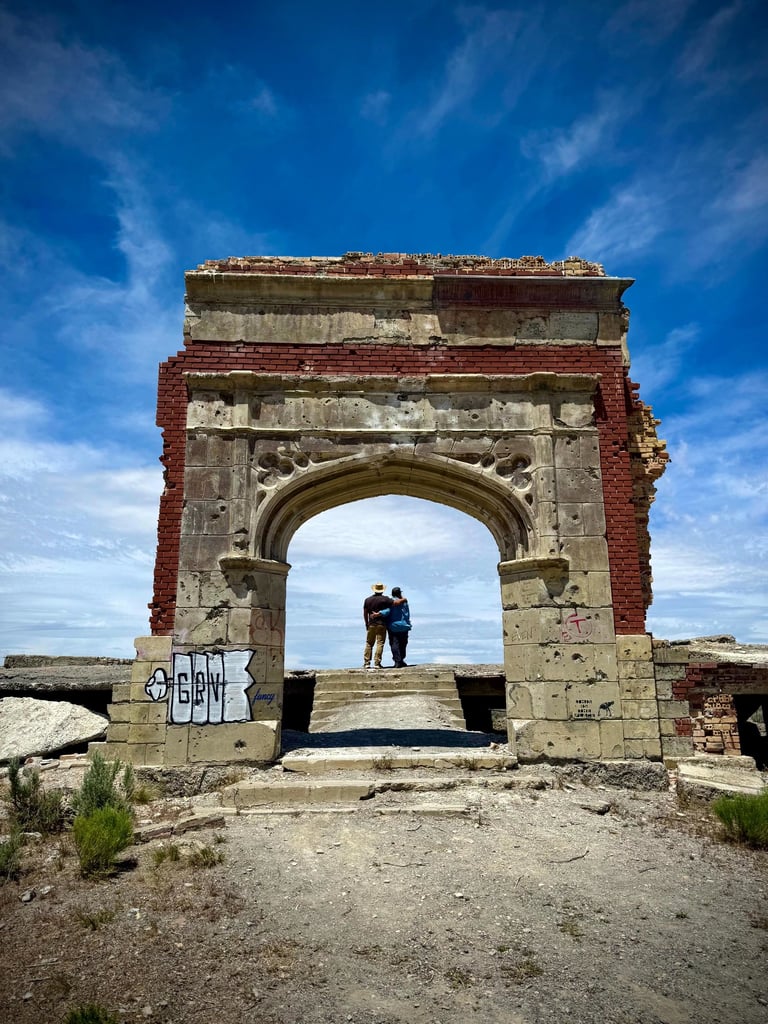
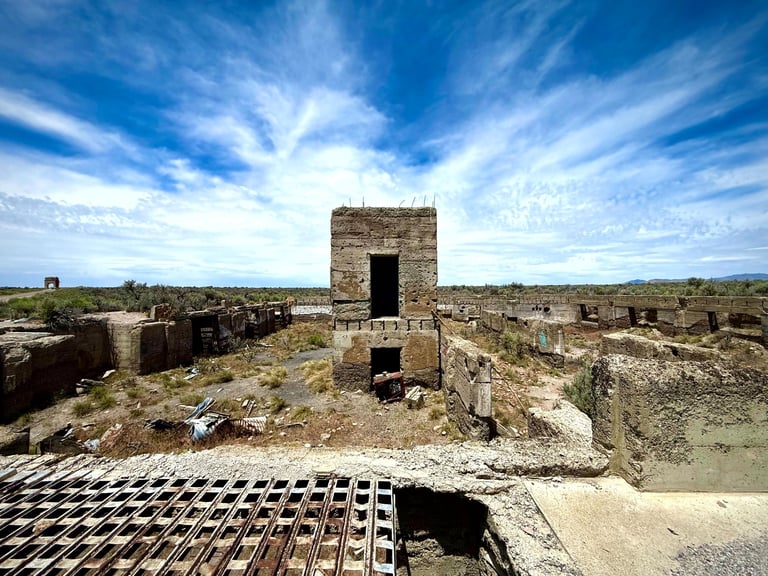
If you are looking for western history, the Metropolis Ghost Town is about 20 minutes northwest of Wells and one of the most photogenic, historically fascinating ruins in the state. Built in 1911 by the Pacific Reclamation Company as a planned farming community of 7,500 people, Metropolis had concrete sidewalks, electric streetlights, a hotel, a school, and a railroad connection. Then the water rights fell through, the crops failed, and by the 1920s it was over. What remains is an iconic brick archway, scattered foundations, and the shaft of one of Nevada’s earliest elevators, all standing in the open sage under enormous skies, completely free to visit, with almost no one else around.
Summits and Alpine Lakes
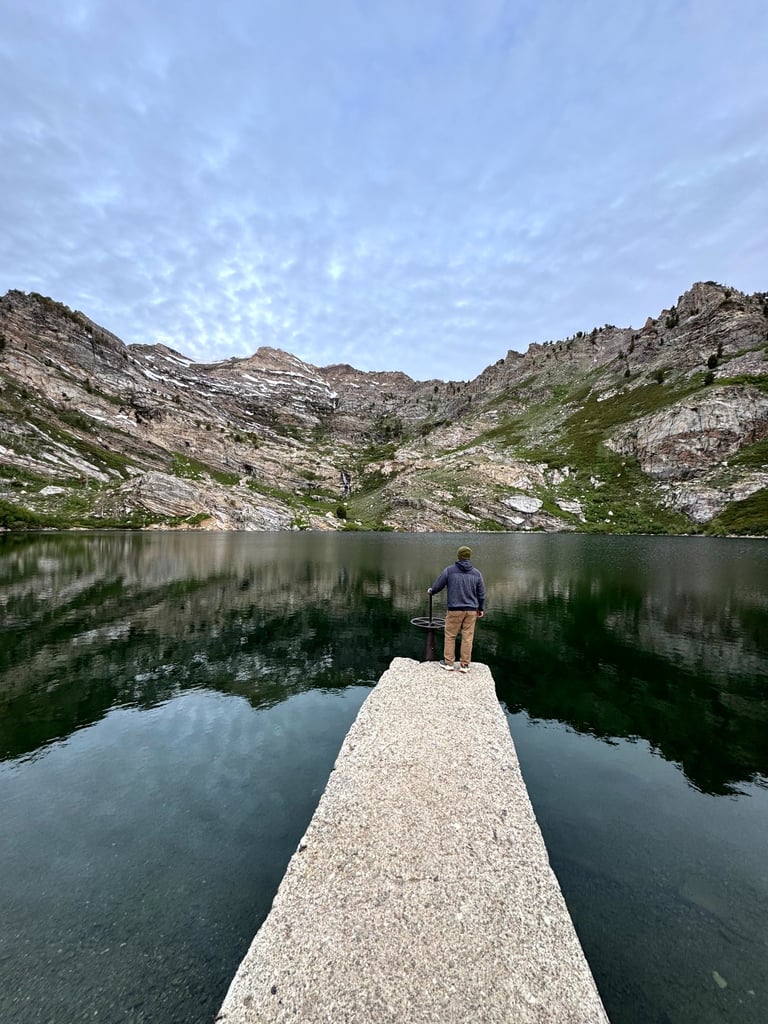
If the town heritage is Wells’ story, the nearby alpine lakes are Wells’ superpower. Because 12 miles from the I-80 interchange, a 20-minute drive from the center of town, is Angel Lake. And Angel Lake is something you'd never expect to see from the highway.
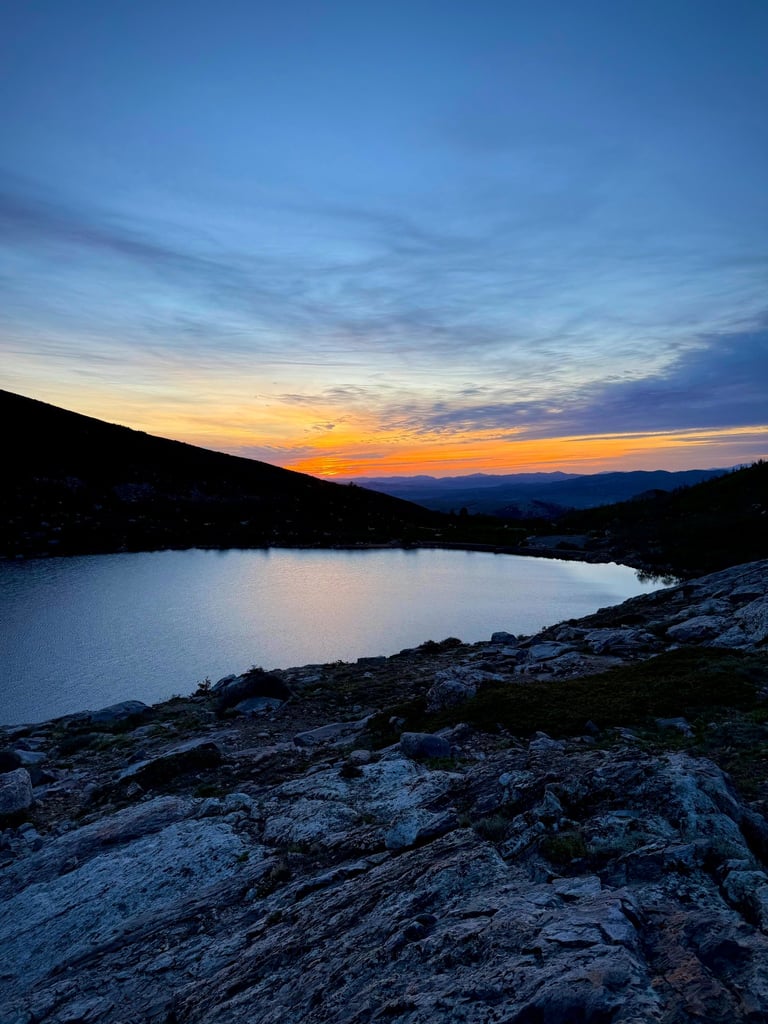
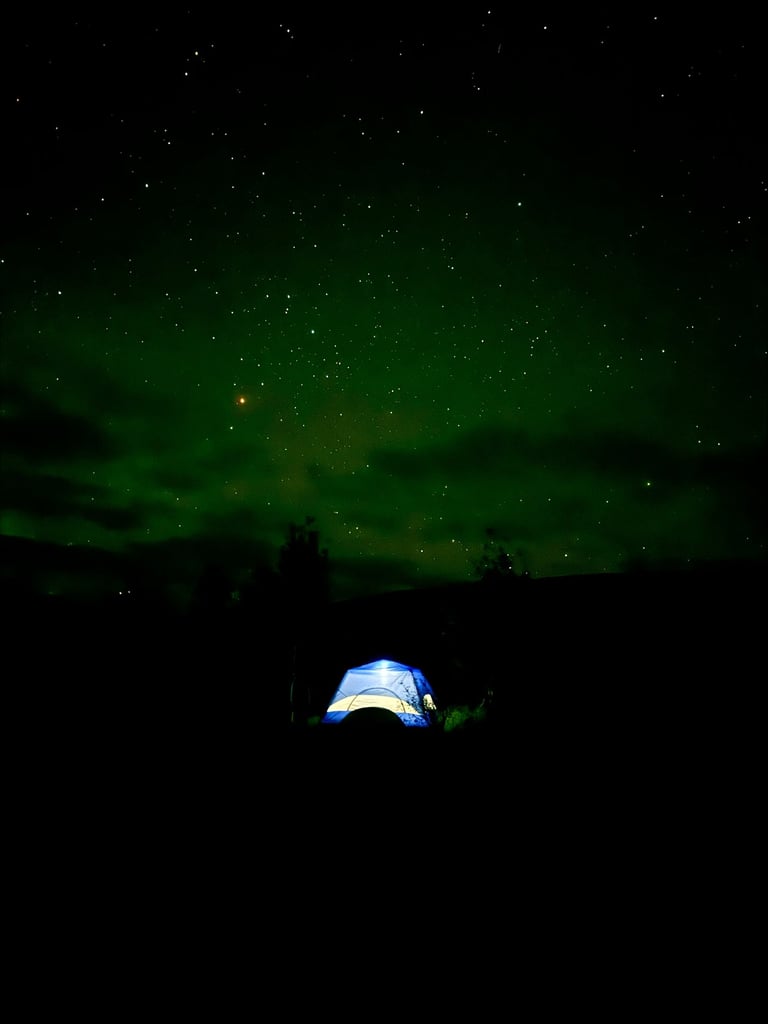
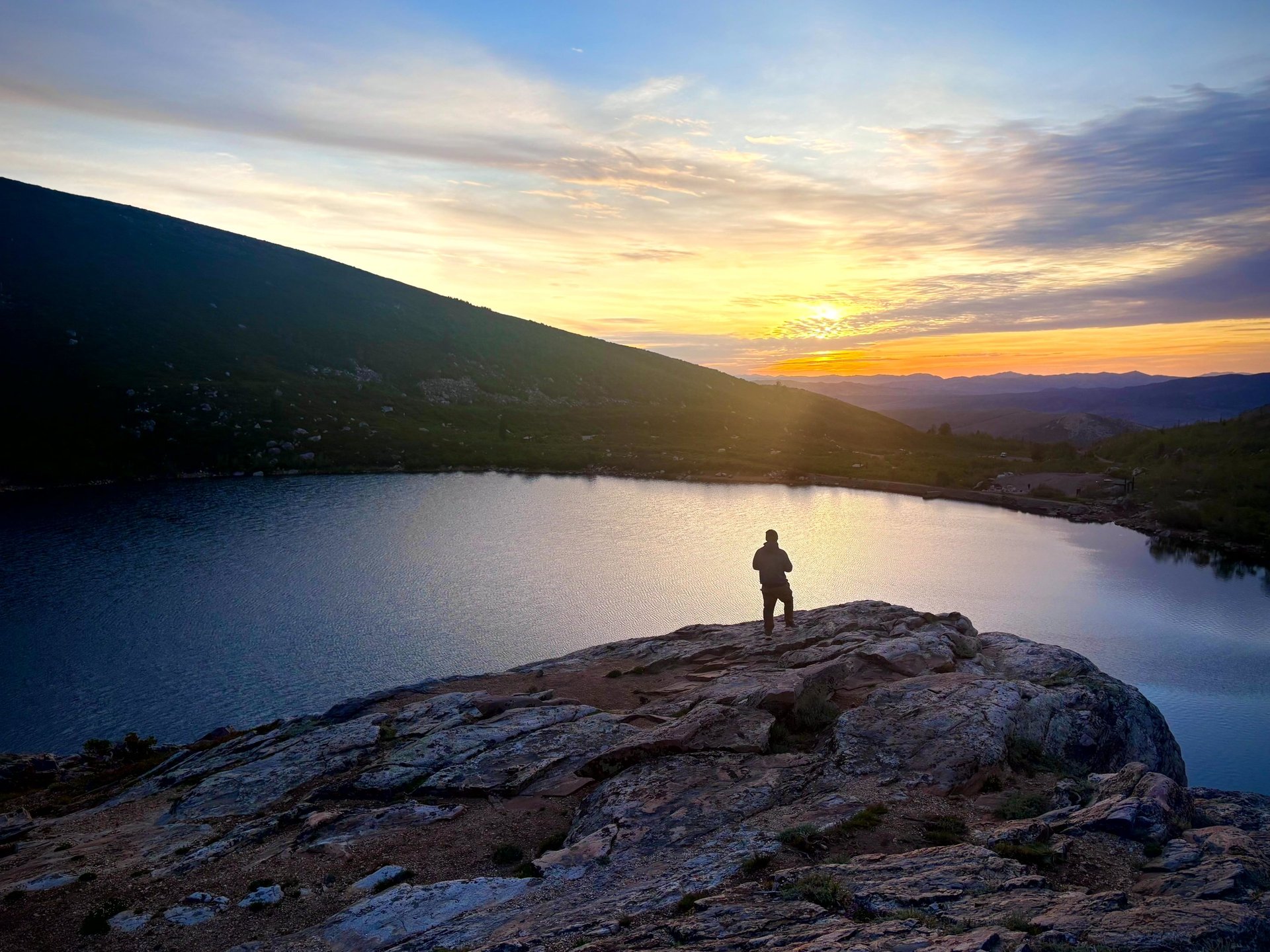
The drive up Angel Lake Scenic Byway (State Route 231) is itself an experience worth having. The road climbs nearly 3,000 feet through rolling sagebrush foothills, aspen groves, and mountain mahogany before arriving at a glacial cirque at 8,400 feet elevation in the East Humboldt Mountain Range. Three sides of the basin are sheer rock walls. The fourth is a dam holding back the clearest, coldest, most beautifully improbable lake you’ll find in this part of the country. We recommend reserving a campsite right at the foot of the lake. The perfect spot to rise with the dawn and catch an amazing sunrise.
The trails from Angel Lake reach into the East Humboldt Wilderness and connect to additional alpine lakes, Greys Lake, Smith Lake, Boulder Lake, for those who want to push further. For those who don’t, the shoreline and the campground picnic area offer all the reward you need.
The Places That Don't Ask for Your Attention
There’s a certain kind of place that doesn’t advertise itself. It doesn’t have a marketing budget or a celebrity following or a line out the door. It just exists, quietly extraordinary, waiting for the people who bother to slow down. And you should slow down. It's not just the environment that's the draw here. Everyone we met in Wells was the very definition of "Good People". This is a town that deserves much more than a pass-through for gas.
The Summit to City campaign is about making sure that “bothering to slow down” becomes a lot easier for the travelers who are ready for something real. The itineraries are live at www.shrpa.com. The roads are open. Angel Lake is cold and clear and absolutely worth the drive.